Why your cannabis buds are foxtailing and how to stop it immediately
Foxtailing in Cannabis: How to Identify, Understand, and Manage It – Causes, Diagnosis, and Harvest-Safe Decisions
Grow Island Blog • By Bartholomew Alen • 27.03.2026
Why Foxtailing Is More Than Just a “Weird Bud Shape”
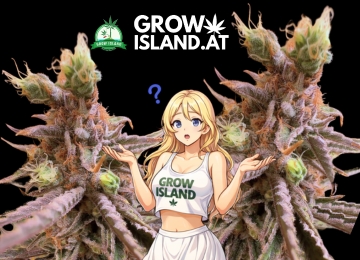
“Foxtailing” describes buds where new calyxes stack in tower-like or spiky formations on already developed flower sites. Visually, this creates narrow, elongated “spires” – hence the comparison to a fox’s tail.
The key point: foxtailing is not automatically a quality disaster – but it is often an early warning sign that your plant is under stress during flowering (especially heat and light stress). When stress-induced, it can reduce yield and bud density, often accompanied by bleaching/light burn and other stress symptoms.
At the same time, genetic foxtailing exists: some strains are intentionally selected to produce this structure in a more “organized” way. In these cases, it can be purely cosmetic and does not necessarily reduce quality.
How to Identify Foxtailing: Genetics, Stress – or Something Else?
Foxtails can look different depending on the cause. A quick, practical distinction helps you avoid fixing the wrong problem.
Typical Signs of Genetic Foxtailing
Genetic foxtailing is usually relatively symmetrical, with tower formation spread evenly across multiple bud sites, without obvious stress symptoms. It is often associated with sativa-dominant or long-flowering genetics. The key: it happens naturally, not suddenly after environmental changes.
Typical Signs of Stress-Induced Foxtailing
Stress foxtailing often starts at the top of the canopy, where light and heat are strongest. Common accompanying signs include:
- Bleaching or lightening of top buds or upper leaves
- “Tacoing” – upward curling leaf edges (typical for heat/light stress)
- Unstable, ongoing bud growth in late flowering
Many growers confuse this with “buds fattening up again” – while some late-stage swelling is normal, it becomes problematic when growth forms airy, spiky extensions instead of dense structure.
Differentiation: Foxtailing vs. Re-Veg vs. Bud Rot
Foxtailing is not the only cause of “strange-looking buds”:
Re-vegging (return to vegetative growth) can occur during flowering if photoperiod plants receive light during the dark cycle. This leads to odd new shoots, leaves, and distorted bud structures – similar in appearance to foxtailing but fundamentally different.
Bud rot (Botrytis) is not a shape issue but a health problem. It destroys buds from the inside, especially in humid microclimates. Typical signs include brown, mushy spots and dead sugar leaves emerging from the bud.
If unsure, follow this rule: structural oddities (foxtails) are annoying, rot (Botrytis) is urgent.
Main Causes: Light, Heat, Climate – and the Root Zone
Foxtailing is rarely caused by a single factor. It is often a combination of genetics and environmental stress, with triggers either at the canopy (top colas) or in the substrate (roots).
Too Much Light and Photobleaching
Cannabis can utilize high light intensity – but “more” is not always “better” if temperature, CO₂, and water balance cannot keep up.
Studies show that dry flower yield increases with rising PPFD (approx. 120–1800 µmol·m⁻²·s⁻¹), while leaf photosynthesis saturates earlier and cannabinoid potency remains largely unaffected. This means high PPFD can increase yield, but not necessarily potency – while increasing stress risk.
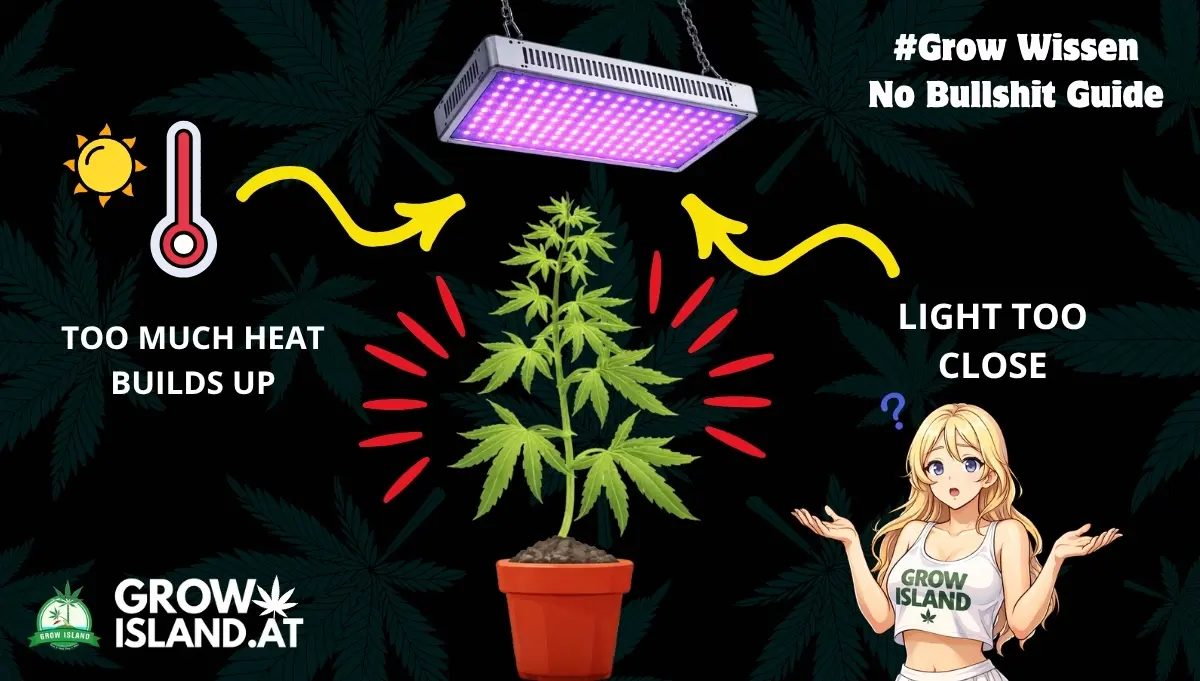
In practice, bleached buds (unnaturally white/light) appear where light intensity is highest. This is a clear sign of excessive light or too little distance and can reduce aroma and quality.
The concept of photoinhibition explains how excessive light overloads the photosynthetic system, triggering stress responses – the same environment where foxtailing often develops.
Heat Stress: A Late-Flower Warning Signal
Foxtailing is widely described as a classic sign of heat stress during flowering, especially in the final weeks.
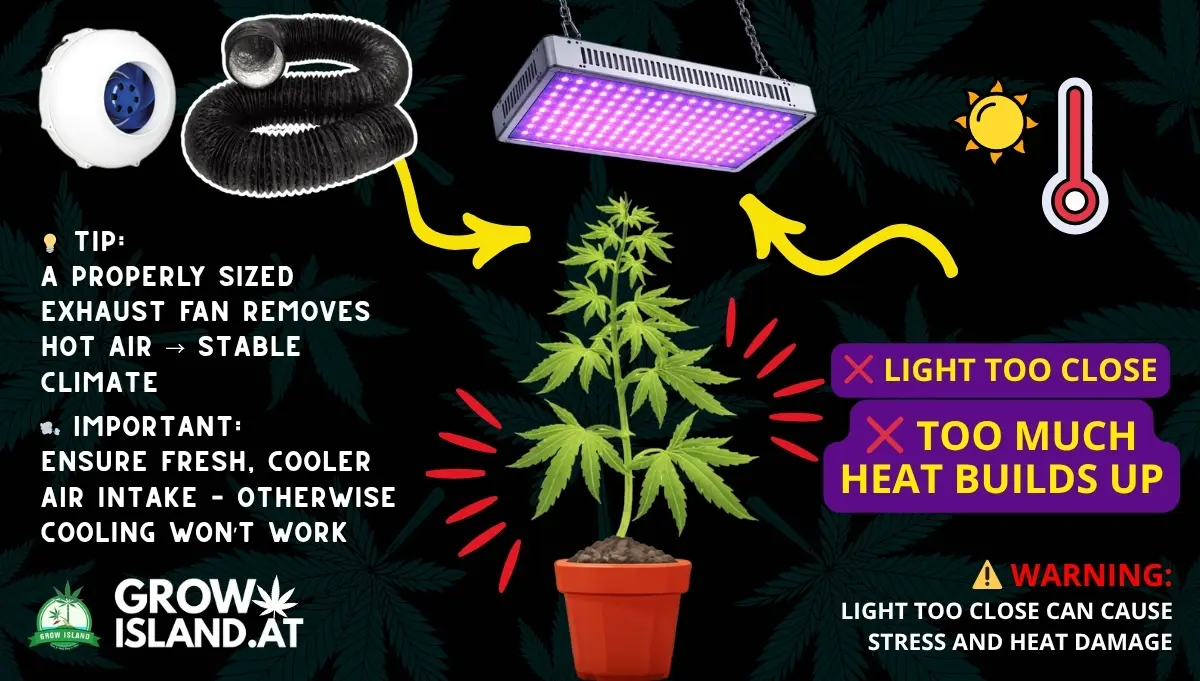
Heat is often underestimated: what matters is not just room temperature, but canopy-level conditions. High light combined with poor heat dissipation can push bud tips into a stress zone.
Research shows that at around 30°C, photosynthesis efficiency peaks only up to about 1500 PPFD and declines beyond that. Higher temperatures also negatively affect stomatal conductance, indicating that “hot + intense light” quickly becomes problematic.
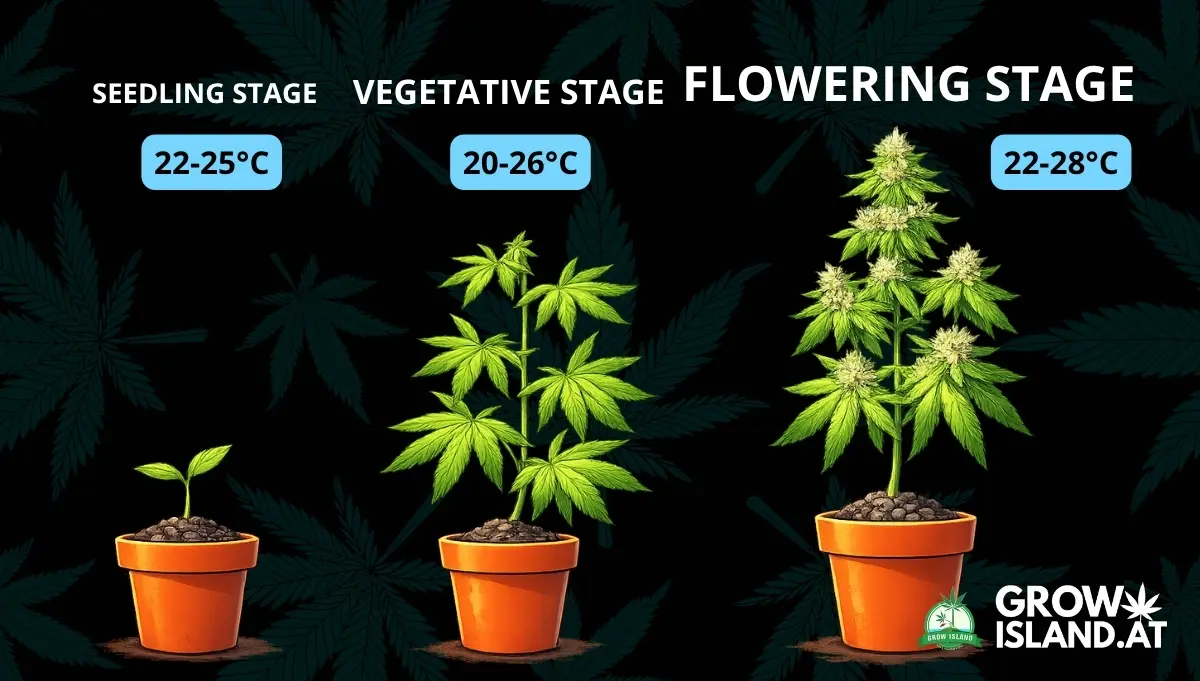
Many indoor guides suggest a flowering temperature range of roughly 20–26°C (lights on) and recommend avoiding excessive heat.
Humidity and Microclimates
Foxtailing itself is not mold – but the same conditions (heat, poor airflow, uneven climate) increase the risk of microclimates in dense buds.
Bud rot thrives in high humidity (often above 70%) and moderate temperatures.
Therefore, proper airflow, dehumidification, and stable conditions are essential risk management tools, not optional improvements.
Root Zone: pH, Nutrient Availability, and Microbiology
If everything above ground seems fine, the root zone should be checked. Root stress is often delayed but impactful.
pH controls nutrient availability. In soil systems, slightly acidic conditions are generally optimal. High pH (>6.5) reduces micronutrient availability (e.g., iron), while low pH causes other issues.
Modern cannabis research highlights root-zone pH as critical for nutrient uptake, microbial activity, and root development.
Microbiome: beneficial microbes such as mycorrhizae (AMF) and PGPR bacteria can improve plant growth and stress resilience. While not a direct cure for foxtailing, they support overall plant stability.
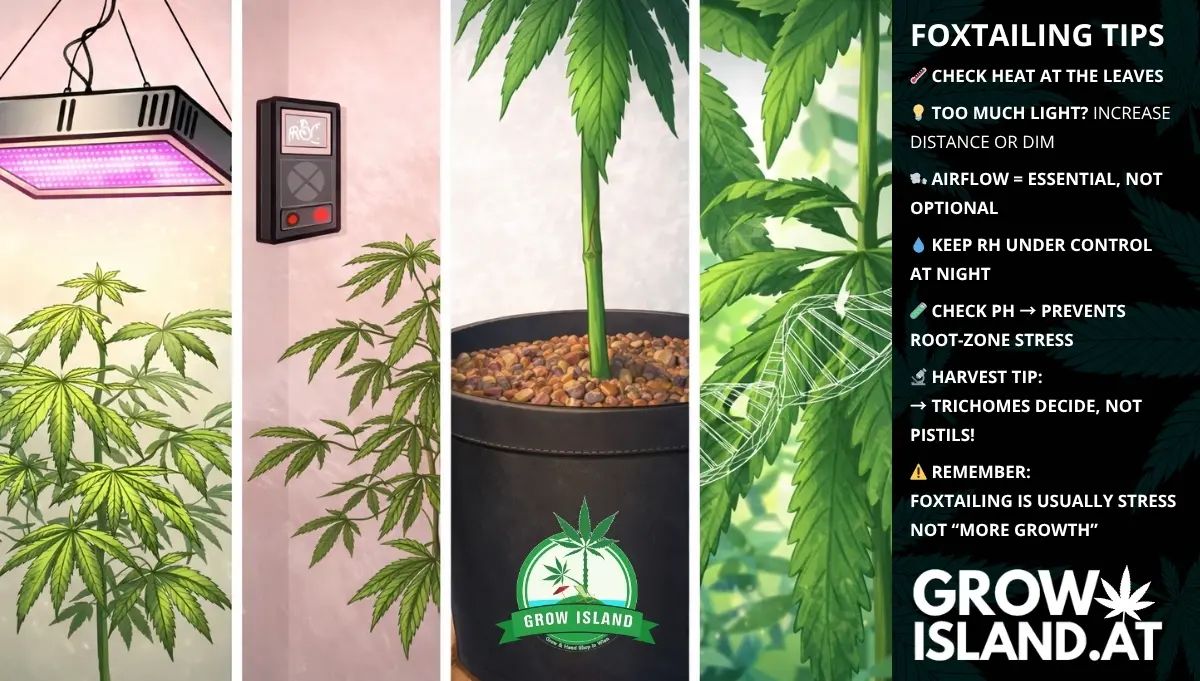
Effective Solutions: A Diagnostic Approach
Foxtailing cannot simply be “fixed.” The solution is identifying and reducing stress factors in the right order.
Indoor Steps
1. Eliminate light stress.
Increase distance, reduce intensity, improve canopy uniformity.
2. Reduce heat spikes.
Focus on peak temperatures, not just averages.
3. Control humidity.
Especially during lights-off cycles.
4. Check root zone.
pH, EC, and salt buildup.
Outdoor/Greenhouse
Foxtailing outdoors often indicates heat waves or excessive sun exposure. In greenhouses, heat and humidity buildup are common.
Key solutions: shading, ventilation, airflow, and canopy management.
Nutrients: Reduce Stress, Don’t Overfeed
Foxtailing is sometimes linked to nutrient imbalances in late flowering.
The correct approach: stabilize environment first, then check root zone, then adjust nutrients.
Harvesting Foxtailed Buds
Trichomes Over Pistils
Foxtailing produces new white pistils, which can mislead harvest timing.
Milky trichomes indicate peak THC, while amber suggests later-stage degradation.
Scientific studies confirm that pistils and trichomes do not always mature simultaneously.
Late-Stage Foxtailing
- Reduce stress to protect aroma and resin
- Base harvest timing on main bud trichomes, not foxtail tips
Flushing: What Research Actually Shows
- Limited impact on cannabinoids and terpenes
- No clear improvement in taste or user experience
- Long flushing can reduce yield
Conclusion: flushing should be a strategic decision, not an automatic reaction. Stable climate and proper drying/curing have a greater impact on final quality.
Back to the posts












Comments