Cannabis Stress Guide
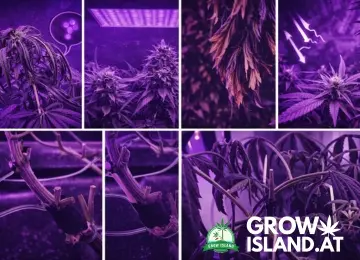
Beneficial and Detrimental Stress in Cannabis Plants
Cannabis plants are surprisingly resilient—and a certain level of stress can actually help them develop into stronger plants with more aromatic, resin-rich flowers. However, just like in humans, stress can also be harmful: excessive or prolonged stress weakens growth and reduces yields. As a grower, it is essential to understand which types of stress are beneficial and which are detrimental.
In this article, you will learn about the most important stress factors—from watering and light to nutrients and physical plant damage—and how to use controlled stress while minimizing risks. The key principle is simple: the less uncontrolled stress, the healthier your plants and harvest.
Water Stress – Beneficial and Detrimental
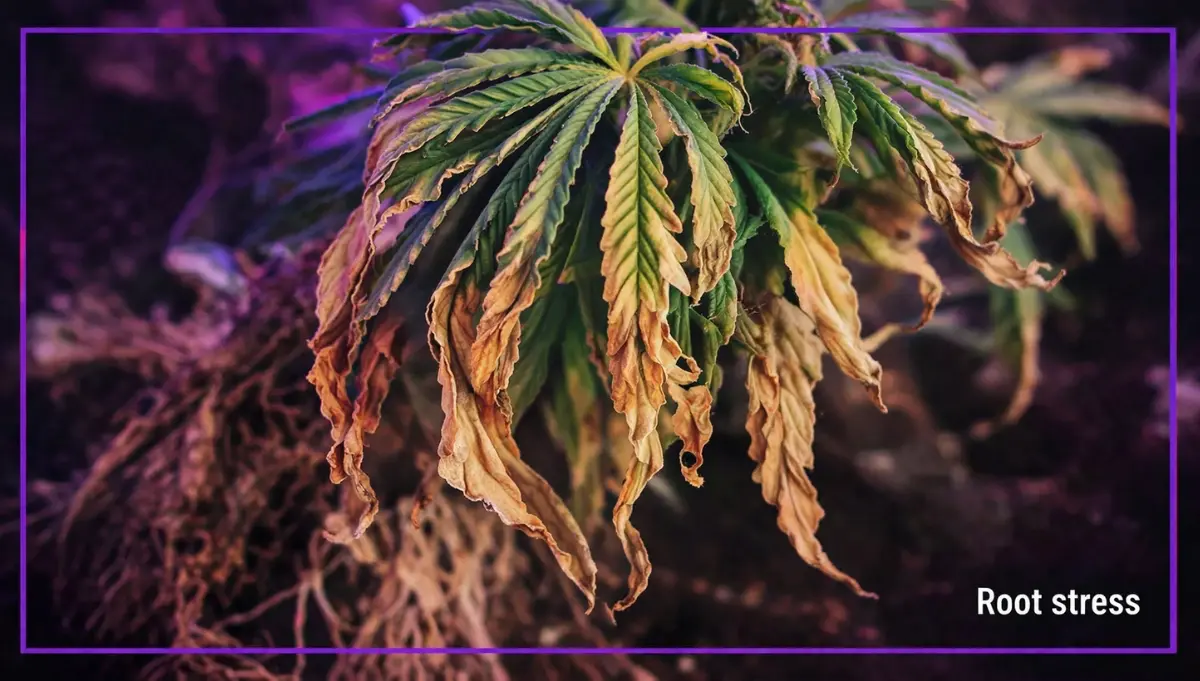
Water is essential for plant life. Through photosynthesis, cannabis converts water, light, and CO₂ into glucose, which fuels growth and builds plant tissue. On one hand, insufficient water causes wilting leaves and halted growth. On the other hand, excessive watering suffocates roots because they no longer receive oxygen.
Standing water in the substrate often leads to root rot and blocks nutrient uptake. A proven rule is: water your cannabis plants only when the top few centimeters of soil are dry. After watering, never let the pot sit in water—ensure proper drainage.
Watering rhythm: Check the soil with your finger. Once the top layer is dry, it's time to water. Young plants typically require more frequent watering, while mature plants need it less often.
Drainage: Use well-aerated substrates or mix in perlite or coco fiber to prevent waterlogging. Avoid heavy, clay-rich soils.
Avoid overwatering: As ILGM explains, roots “cannot breathe and begin to rot.” Maintain balance—slightly dry conditions are better than constantly wet soil.
In experienced hands, controlled mild drought stress can be beneficial. Some growers allow the medium to dry slightly to stimulate nutrient uptake systems and reduce fungal risks.
Cold root shock is another technique used during late flowering. Plants are flushed with cold water to gently stress the root zone. The goal is to trigger increased resin and trichome production during the final stage.
This method is debated, but when applied gently (e.g. 10–12 °C water), it may provide a final boost to resin output. Always allow the substrate to return to normal temperature afterward to avoid damage.
Root Stress – Detrimental
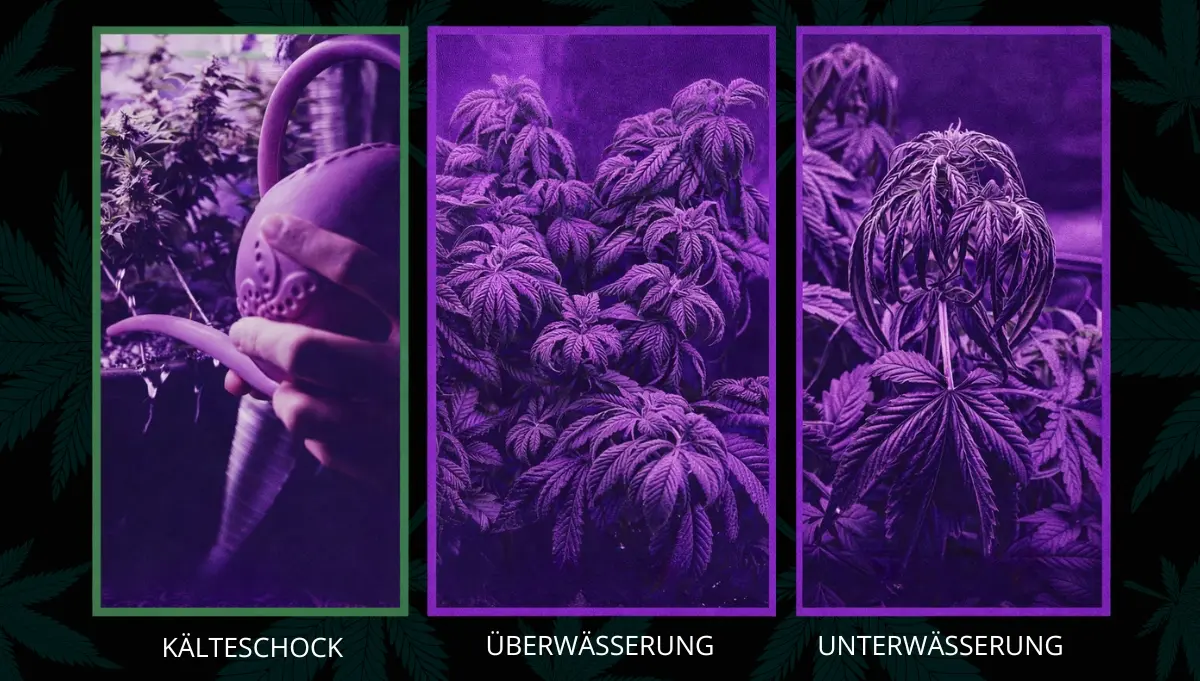
The root system is the plant’s lifeline. Without healthy roots, cannabis plants cannot properly absorb water or nutrients. Many stress factors directly affect the root zone and must be avoided: overwatering leads to oxygen deprivation and root rot, while severe drought prevents proper water uptake.
Other damaging factors include extreme root-zone temperatures, incorrect pH levels, and nutrient buildup (salt accumulation).
Practical tips to prevent root stress:
Good aeration: Roots require oxygen for energy production. Use airy substrates (e.g. with ~30% coco fiber) and ensure proper drainage. Standing water and compact soil prevent oxygen exchange.
Optimal root temperature: Maintain 20–25 °C. Above 30 °C, dissolved oxygen in water drops significantly, leading to oxygen deficiency. Avoid warm irrigation water and dark pots in direct sunlight.
Proper pot size: Ensure sufficient space for root expansion. Small pots lead to root-bound growth, limiting nutrient uptake. Repot when needed.
Prevent root pathogens: Watch for Fusarium, Pythium, or root rot symptoms (dark, mushy roots). Use clean water and properly maintained systems.
Root stress must be avoided as it slows metabolism and causes plant decline. Healthy roots are the foundation for vigorous growth and dense flowers.

Light Stress – Beneficial and Detrimental
Light is the primary energy source for cannabis. Through photosynthesis, the plant converts light into glucose, fueling growth.
Outdoors, cannabis needs at least 6–8 hours of direct sunlight (ideally 10–12 hours in summer). Indoors, growers typically use 18 hours of light in vegetative stage and a 12/12 cycle to induce flowering.
Light deficiency leads to stretching—tall, weak plants with airy buds. Excessive light causes leaf burn, visible as curled, dry, brown tips.
Keep LED lights around 30–45 cm above the canopy and adjust based on plant response.
Advanced techniques:
Spectrum tuning: Blue light promotes compact growth; red light enhances flowering.
UV light: Controlled UVB exposure can increase trichome production, but excessive UV damages tissue.
Darkness before harvest: 24–48 hours of darkness may boost resin production—though this method is debated.
Temperature and Humidity – Beneficial and Detrimental
Cannabis thrives in stable conditions:
Vegetative stage: 20–25 °C
Flowering stage: 20–26 °C
Night drop: 5–10 °C lower
Below 5 °C growth stops; above 30 °C causes heat stress.
Humidity guidelines:
Seedlings: 65–70%
Vegetative: 40–70%
Flowering: 40–50%
Too much humidity causes mold; too little causes dehydration.
Airflow: Gentle airflow strengthens plants, but strong wind damages them.
Nutrient Stress – Detrimental
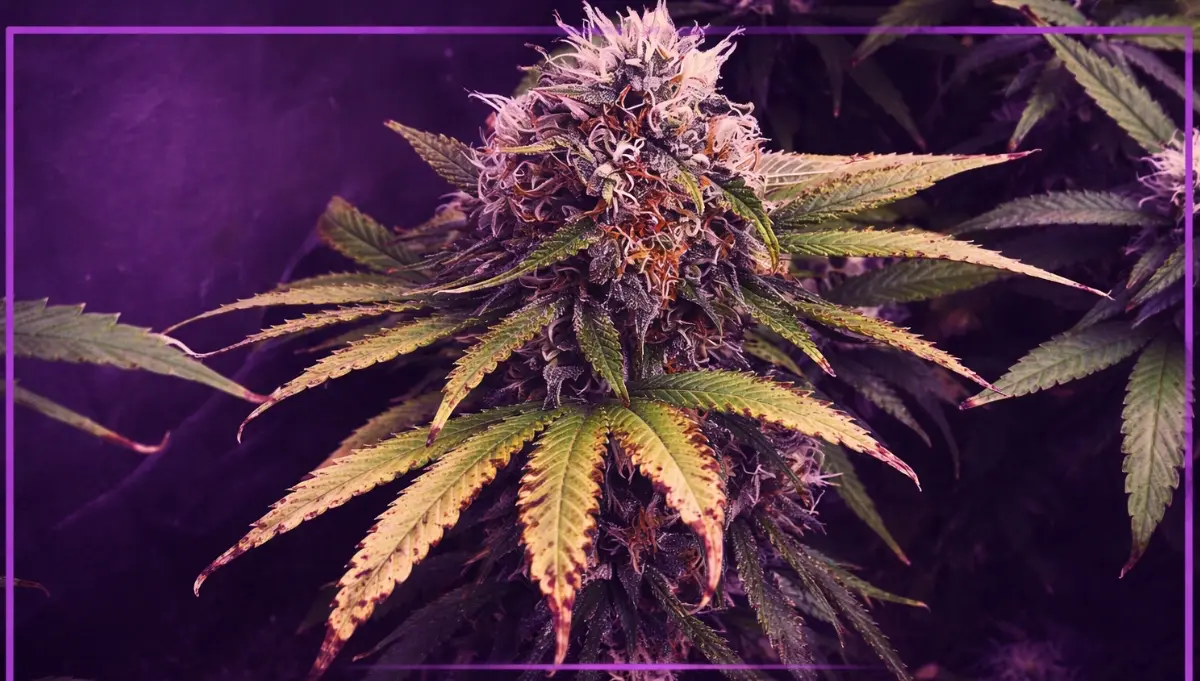
Cannabis requires balanced nutrients.
Overfeeding: nutrient burn and root damage.
Underfeeding: deficiencies and weak plants.
Start with lower doses and increase gradually.
pH Stress – Detrimental
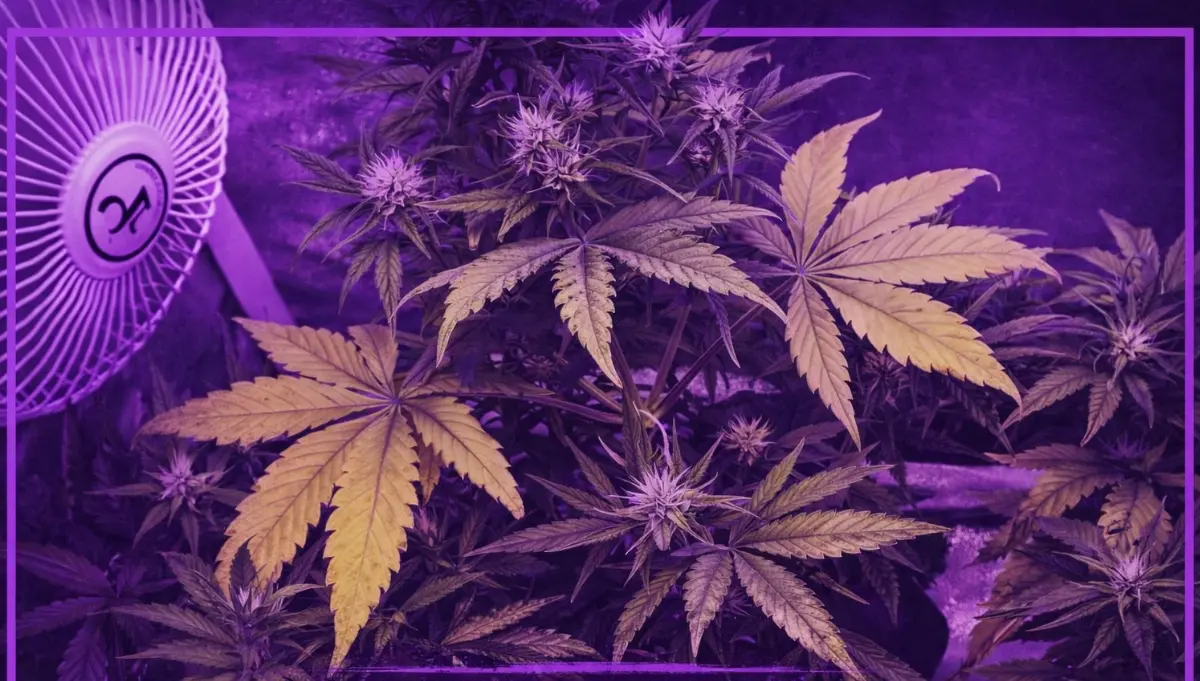
Optimal pH:
Soil: 6.0–6.8
Hydro: 5.5–6.5
Outside this range causes nutrient lockout.
Training & Tissue Damage – Beneficial and Detrimental
Training methods use stress intentionally:
LST, Topping, Supercropping, Defoliation, Lollipopping.
Low stress is gentle, high stress causes stronger reactions.
Conclusion: Use Stress Wisely
Cannabis grows best in stable environments. Controlled stress can improve quality—but too much stress harms plants.
Healthy plants = green leaves, steady growth, no disease.
Mastering stress turns it into a powerful cultivation tool.
Glossary
Cola, LST, HST, Trichomes, Lockout, Nutrient Burn, Hermaphrodite.
(Author & Graphics: Bartholomew Alen, 19.03.2026)
Sources: Based on expert guides and current studies.
How far should LED grow lights be from cannabis?
Back to the posts












Comments