Cannabis pests and mold are among the most common problems growers face – and the ones they most desperately search for on Google. In the best-case scenario, they only affect the yield. In the worst-case scenario, an entire crop can be lost.
Identifying cannabis pests
Pests spread quickly are hard to detect and can destroy an entire plant. The most common signs include:
holes, spots, yellowing or discolored leaves
stunted growth
visible pests, webs, droppings
movement on the undersides of leaves (a magnifying glass is recommended)
Tip: Hold a white sheet of paper under a leaf and gently tap it – if tiny insects fall off, you can be sure there's a problem.
Most common pests:
Spider mites: tiny spider-like creatures that leave fine webs. Yellow or white spots appear on the leaves.
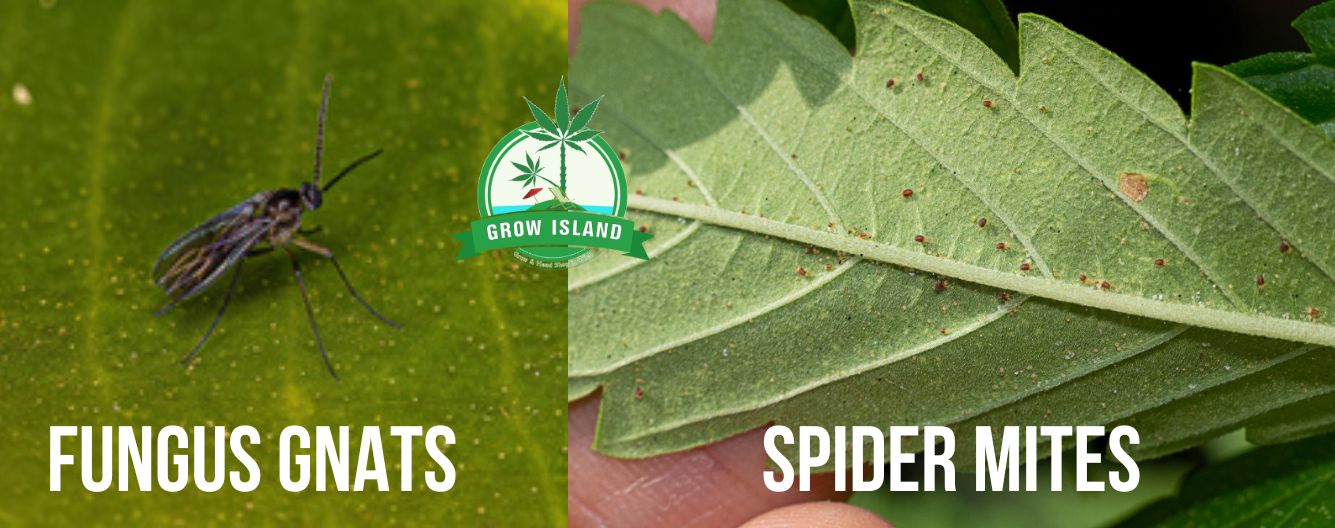
Aphids: pear-shaped insects that secrete a sticky substance called honeydew, which can lead to mold growth.
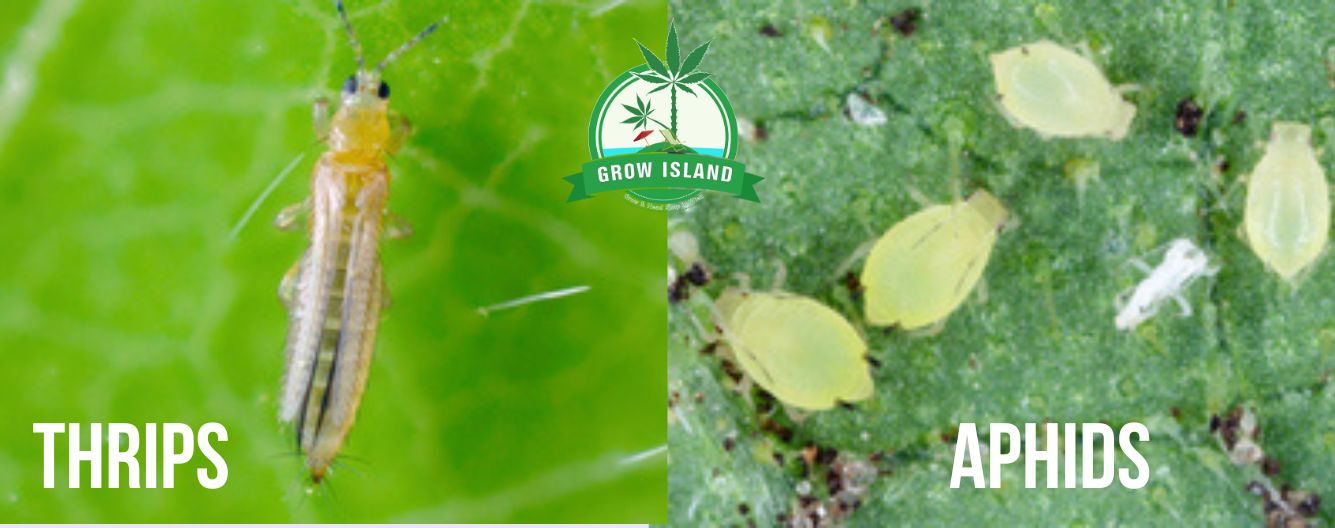
Whiteflies: small white-winged flies that take flight when the plant is disturbed.
Thrips: tiny yellow, brown or black insects that leave silvery patches and black droppings on the leaves.
Fungus gnats: their larvae feed on the roots, causing stunted growth and drooping plants.
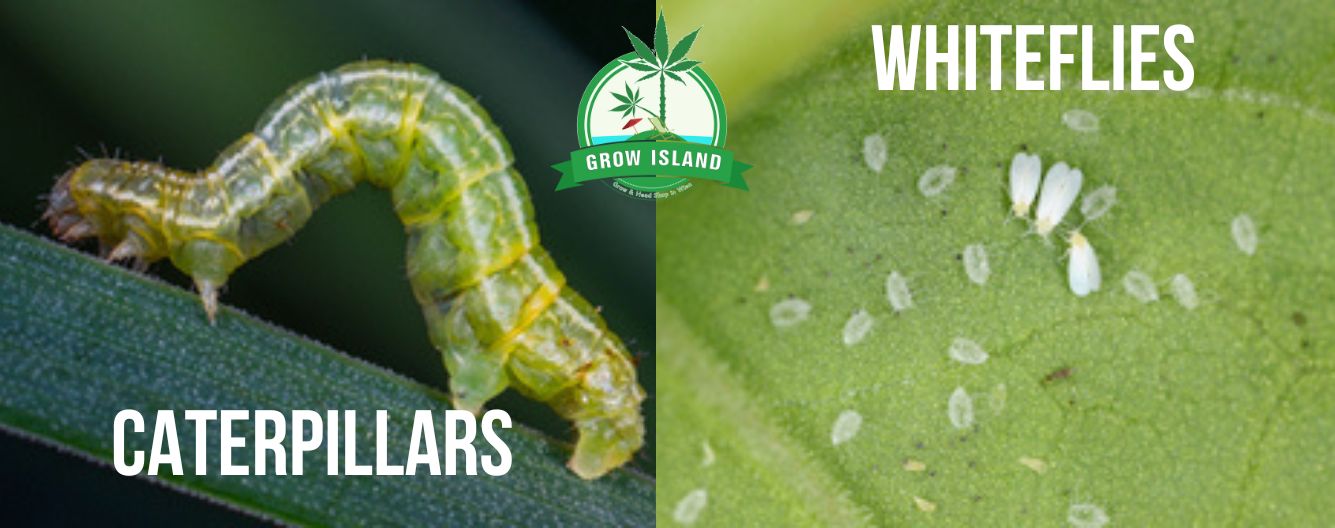
Caterpillars: visible but hard to catch, they can also damage the buds.
Mealybugs:white, cotton-like insects typically found around leaf nodes.
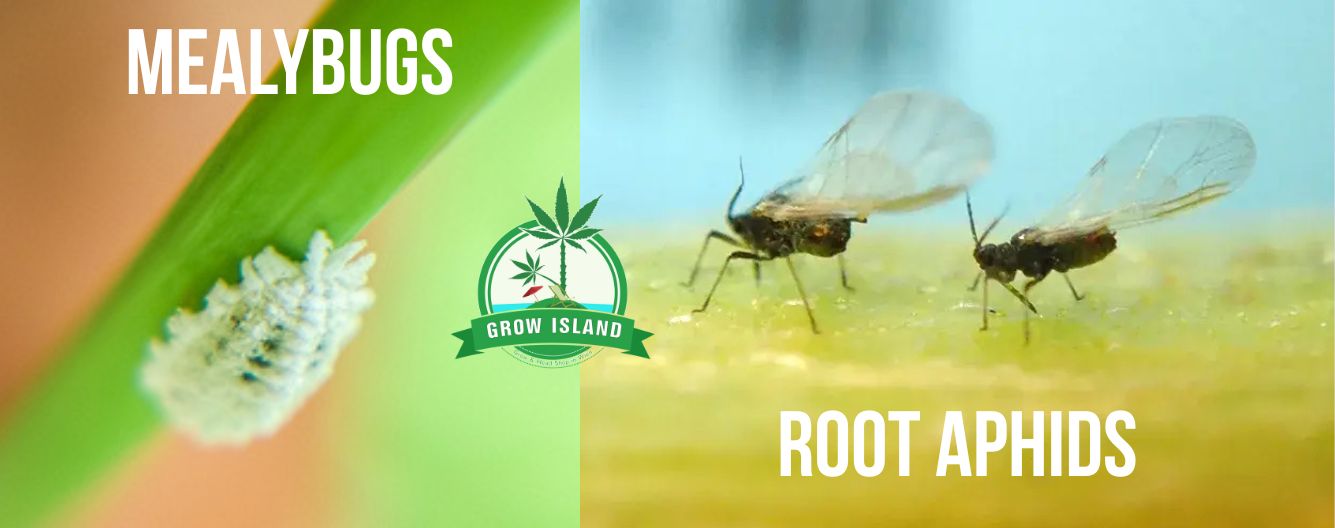
Root aphids:they attack the roots, with symptoms including yellowing and wilting of the plant.
How to protect your plants – Integrated Pest Management (IPM)
Instead of using chemicals, a much more effective (and eco-friendly) approach is an IPM strategy, which combines multiple methods of control.
The core principles of IPM:
Use of natural predators: for example, ladybugs against aphids, predatory mites against spider mites.
Optimal environment:low humidity (<50%), temperature between 18–26°C.
Regular inspection: check the undersides of the leaves daily.
Strain selection: resistant strains (e.g. Wappa, White Noise).
Physical barriers: traps, obstacles and soil covers.
Strong, healthy plants: a stress-free environment leads to more resilient plants.
Companion planting: marigold, basil or peppermint can repel many pests.
Mold issues in cannabis cultivation
Mold not only threatens your plants but also your health. The most common types of mold affecting cannabis:

1. Botrytis (gray mold, bud rot)
- Attacks wet or damaged plant parts.
- Grayish-brown, fluffy mold.
- Starts from the inside – often detected too late.
- Typical sign: a dead, brown sugar leaf protruding from a bud.
What to do: Immediately cut out infected areas, disinfect your scissors and dispose of the infected material.
2. White Powdery Mildew (WPM)
- Occurs in high humidity.
- White, powdery coating on leaves.
- Can appear already during the vegetative phase.
Solution:Remove infected leaves, lower humidity and improve air circulation.
3. Downy Mildew
- Forms on the underside of leaves.
- Spreads in cool, humid weather.
- White/gray/yellowish spots underneath, yellow-brown patches on top.
Solution:Remove affected parts, increase ventilation and apply an organic fungicide.
4. Aspergillus
- Difficult to detect, usually recognized by a musty, earthy smell.
- Yellowing, drooping leaves.
- Dangerous to health – inhalation can be fatal.
Action: Immediately destroy the entire plant. Never consume moldy cannabis.
Homemade solutions against mold
Milk:
Some growers spray diluted milk on the leaves, as it helps kill microorganisms and provides potassium phosphate.
Recipe: 90–100 ml of milk per 1 liter of water
Baking soda:
It raises the leaf surface pH, making it inhospitable for mold.
Recipe: 1 tablespoon of baking soda per 1 liter of water
When to apply:
- During the vegetative phase: spray directly onto the leaves.
- During flowering:add to irrigation water only if necessary.
Never consume moldy cannabis!
Mold spores aretoxic and pose serious health risks. It's simply not worth the risk.
Summary
The key to protecting your cannabis plants from pests and mold is prevention. A well-ventilated, clean grow space with proper humidity and temperature levels, combined with strong, healthy plants, offers the best protection.
Implementing an Integrated Pest Management (IPM) system is a sustainable, chemical-free and effective long-term strategy for keeping issues under control.
Watch your plants every day – because those who pay attention, reap the rewards.
March 3, 2025 — written by B. Alen


Comments